Bratwurst
Grilled sausages served in bread with mustard.

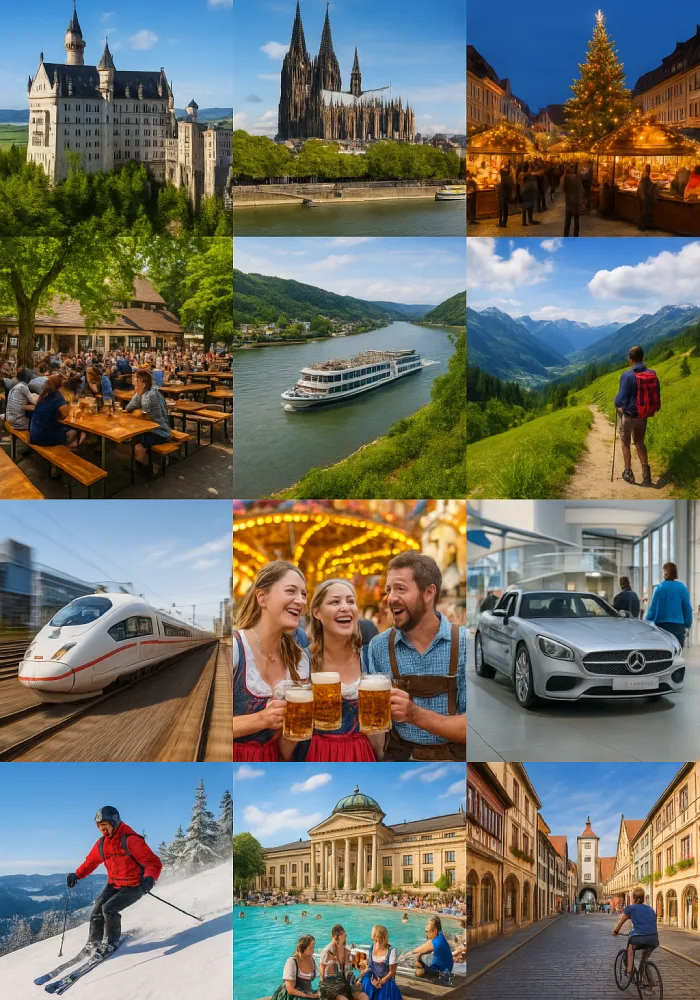
Germany greets you with a delightful combination of futuristic metropolis, historic towns, and stunning natural settings. As you travel, you will see centuries of history, cutting-edge engineering, renowned festivals, and food that embodies European culture. There are countless reasons to fall in love with Germany.

Language
German, English
Emergency Numbers
112 - General
Power Plugs
Type F.
Currency and Payments
Euro
Time Zones
CET ,UTC +1, CEST ,UTC +2Gardens are in bloom, the temperature is mild, and there are fewer visitors. Spring is the perfect time to go for outdoor activities, attend festivals, and book city tours.
You will experience warm weather. Daylight is extended. There will likely be more tourists.Summertime is ideal for local gatherings, visits to beer gardens, and taking a river cruise.
The weather is pleasant. You can see the gorgeous fall foliage.Harvest celebrations and Oktoberfest are well-known during this time.
You can enjoy winter sports, Christmas markets, and magnificent snow.It is an ideal time to book Alpine retreats.
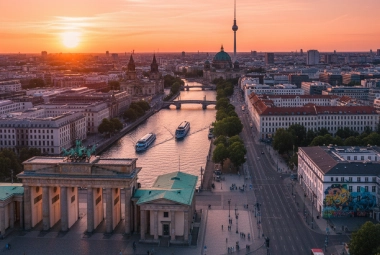
You will find a thriving capital where contemporary culture and history merge everywhere. Tour famous sites including the Berlin Wall Memorial, Museum Island, and the Brandenburg Gate.
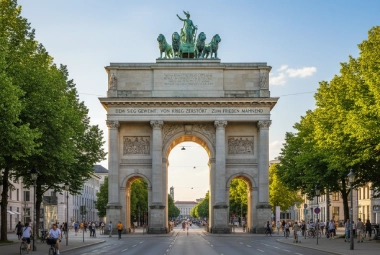
Enjoy the renowned Oktoberfest, beer gardens, and Bavarian culture. You can visit the Residenz, Marienplatz, Nymphenburg Palace, and other Alpine villages.
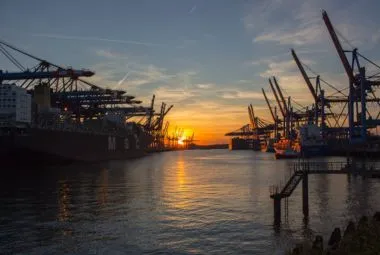
A seaside city with inventive districts, distinctive waterways, and an energetic late-night scene. Stop by Miniatur Wunderland to see the miniature world and the new Elbphilharmonie.
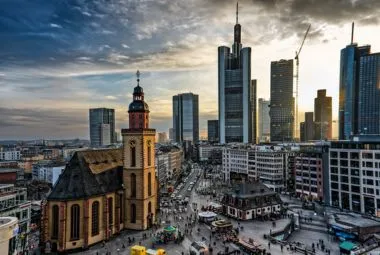
Skyscrapers and a picturesque old town make up this popular financial district. Its famous museum embankment and ancient Romerberg square are open for exploration. You can go cruising, visiting museums, and shopping.
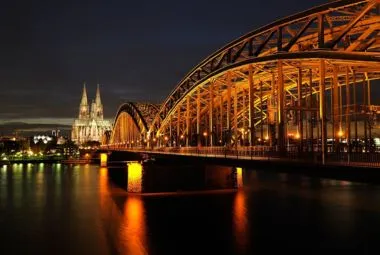
It is a happy city beside the river, well-known for its majestic Gothic church. Its lively old town, regional Kolsch beer, and museums are all available for your enjoyment.
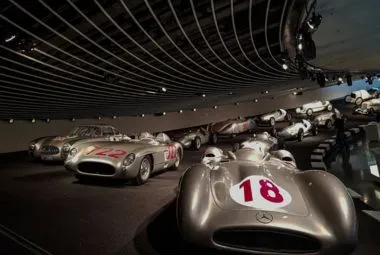
With museums dedicated to Mercedes-Benz and Porsche, this is the perfect place for auto enthusiasts. Beautiful hills and vineyards surround it.
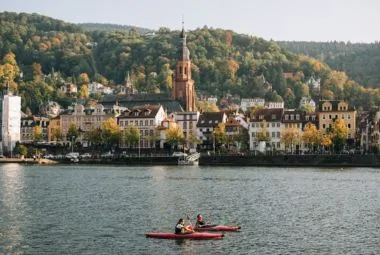
A charming river and green hills circle this charming academic town. You can take a stroll around Heidelberg Castle's beautiful Old Bridge.
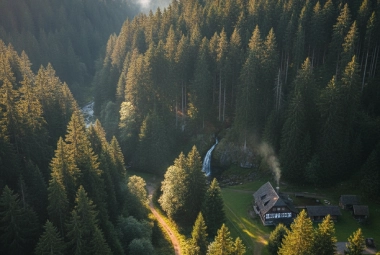
A heavenly place for environment lovers, with picturesque lakes, charming villages, and thick forests. It is fantastic for exploring traditional crafts, hiking, and going on spa vacations.
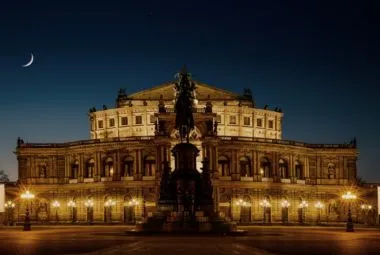
Known as the Florence on the Elbe, it boasts significant art collections and baroque structures. You may tour the Zwinger Palace and the magnificent Frauenkirche.
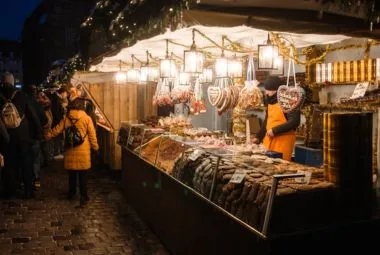
It is a city rich in fascinating WWII history and medieval architecture. You can go to the charming Christmas markets and Nuremberg Castle.

Grilled sausages served in bread with mustard.
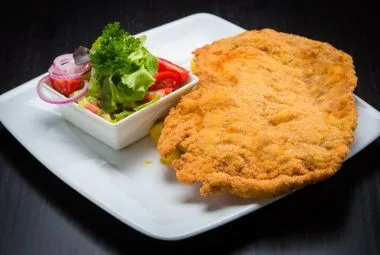
Crispy breaded cutlet served with potatoes or salad.

Soft, chewy, and perfectly salted baked snack.
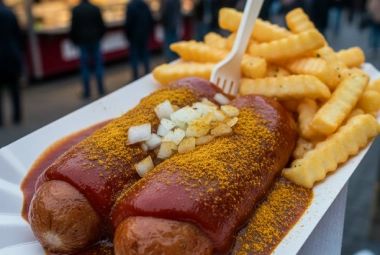
A Berlin classic topped with spicy curry ketchup.
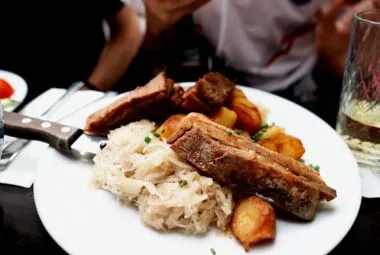
Slow-cooked pot roast with tangy flavors.
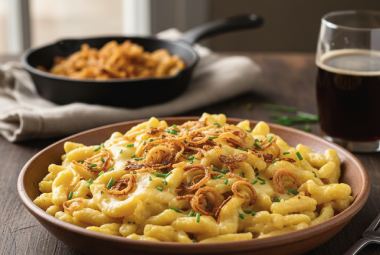
Soft egg noodles served with cheese or gravy.

Rich chocolate layered with cherries and cream.
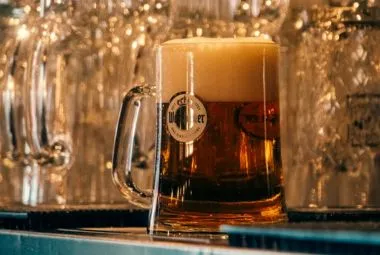
Try Weissbier, Pilsner, Dunkel, and local craft brews.
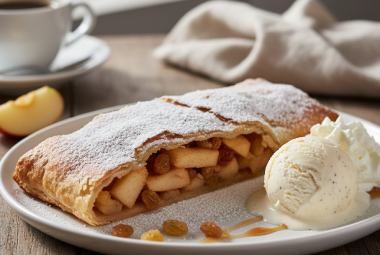
Warm, flaky dessert filled with apples and spices.
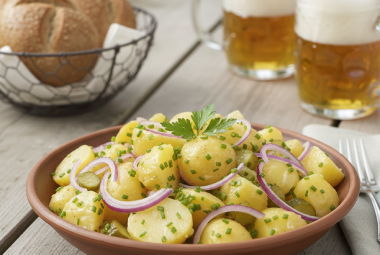
German-style potato salad.

Warm spiced wine served at winter markets.
Germany is a member of the Schengen Area. Your nationality will determine the entry requirements. You must apply in advance through the German Embassy if you are from a nation that requires a Germany Schengen visa. A valid passport, a confirmed itinerary, proof of lodging, travel insurance that covers 30000 euros, and proof of funds to cover your stay are all required. EU nationals do not require a visa. Visas are not required for up to 90 days for visitors from the US, Canada, and Australia. Before leaving, make sure you are aware of the most recent entrance rules.
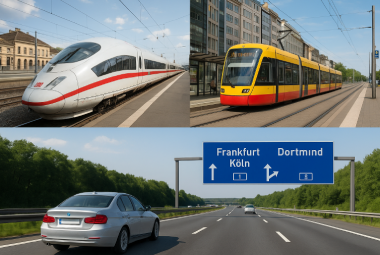
Trains -
The Deutsche Bahn is one of the best train systems in Europe. High-speed trains are comfortable and reliable. They make long-distance travel easy, covering long distances in a matter of hours.
Public Transport -
Cities have effective bus, tram, and metro systems. Passes for a day or a week are very affordable.
Driving -
On several stretches of the Autobahn, high-speed traffic is permitted. The roads are kept up nicely. You should be aware that parking in the city may be scarce.
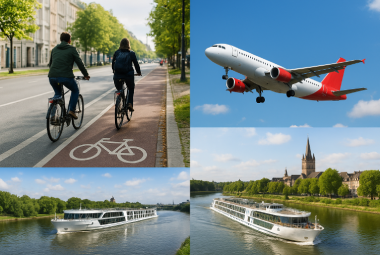
Cycles and Bikes -
With designated bike lanes, Germany is a bike-friendly country. Additionally, you can rent a bike, which makes cycling convenient for visitors.
Domestic Flights -
Useful for long-distance travel, such as from Munich to Hamburg.
River Cruises -
The Rhine, Danube, and Moselle rivers are popular routes for river cruises.
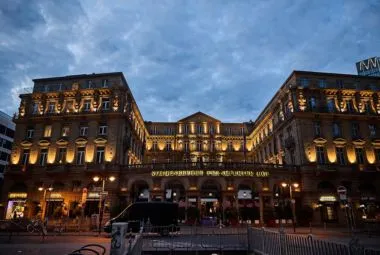
Found in large cities like Munich, Frankfurt, and Berlin. They offer top-class amenities, spas, and fine dining opportunities.
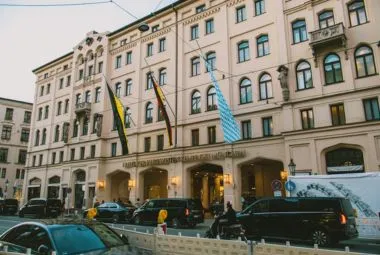
Comfortable, well-equipped, and widely available. They are great for couples, families, and business travelers.

Reasonably priced options with private or shared accommodations. They are best for backpackers and solo travelers.
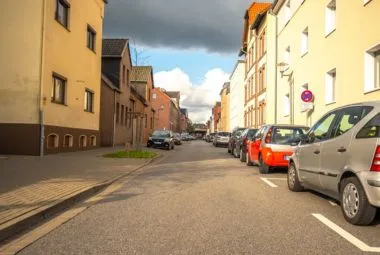
Family-owned lodgings with a touch of the area.

Perfect for long stays or group travel.
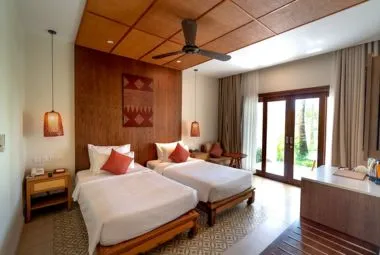
Elegant accommodations with distinctive styles, innovative features, and local themes.
Estimated Daily Budget
Typical Costs
Save Money By
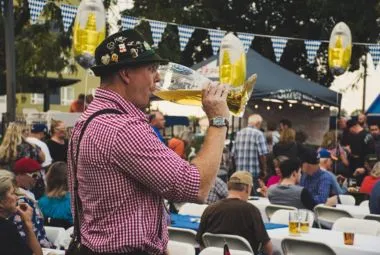
Music, parades, and traditional Bavarian costumes are all part of the Oktoberfest. It is one of the biggest beer festivals in the world. You can see colorful tents, delicious food, and an unforgettable celebratory atmosphere.
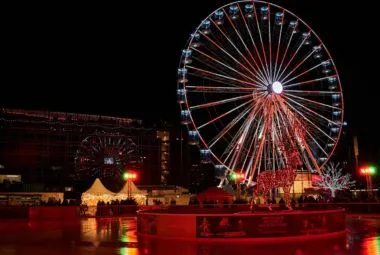
Towns are filled with handcrafted goods, mulled wine, and sparkling lights at spectacular marketplaces. You will feel the coziness and warmth of German winter customs.
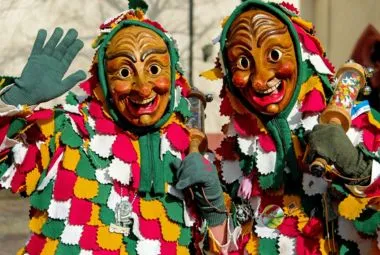
During Karneval in February, you may take part in vibrant street parades and festivities. It is a lively pre-Lenten event with street parties, parades, and costumes. You can join throngs of people having a good time with laughter, music, and festivities.
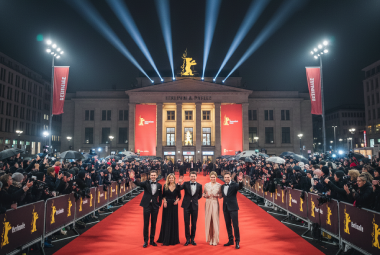
Berlinale is a prestigious international film festival. It is one of the largest film festivals in the world, drawing celebrities and filmmakers from all over the world. You can watch brand-new movies, thrilling premieres, and lively cultural events.
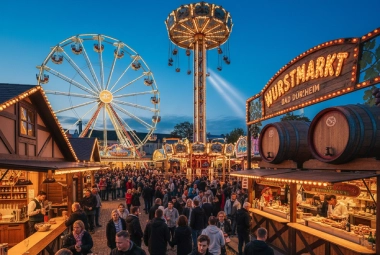
Held in Bad Durkheim, this wine festival is the largest in the world.
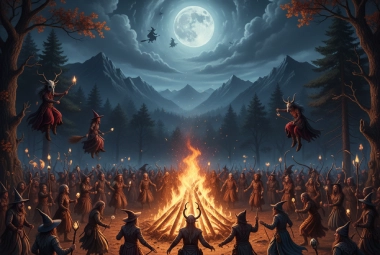
A traditional celebration of spring, complete with costumes, bonfires, and folklore. You will see fascinating performances and realistic representations of regional mythology.
3-Day Itinerary - Rome
5-Day Itinerary
7-Day Itinerary
Know why millions of people come back year after year to visit the cities, mountains, and archaeological sites. Germany welcomes you with open arms and countless adventures, regardless of your travel preferences.
